

The ability to consistently generate strong profit margins is fundamental to any business’s long-term viability and growth. While increasing sales is often a focus, smart leaders know that improving profitability often comes from a multifaceted approach that addresses both revenue and costs. By carefully analyzing operations and making data-driven decisions, companies can create a more robust financial foundation, allowing for reinvestment, expansion, and greater resilience during economic fluctuations.
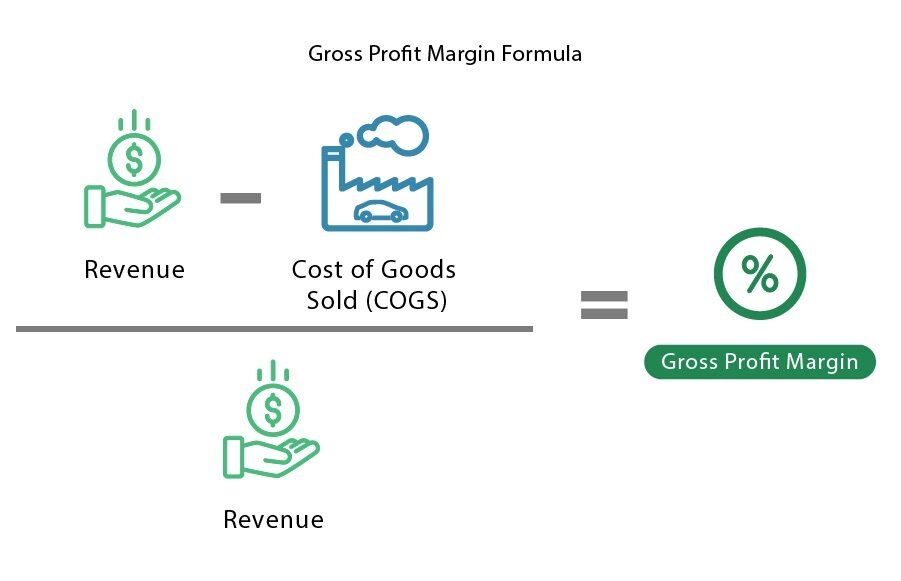
Overview
- Profit margins are crucial for business survival and expansion, reflecting how much profit a company makes relative to its revenue.
- Strategic pricing adjustments can directly impact profit margins by aligning value with cost and market demand.
- Implementing efficient operational practices helps reduce waste, streamline processes, and lower overhead, thereby preserving and improving profit margins.
- Effective cost management across the supply chain, production, and administrative expenses is a direct path to strengthening profitability.
- Exploring new revenue streams or optimizing existing sales channels can significantly boost overall profit margins.
- Leveraging technology and automation can lead to significant cost savings and improved operational efficiency.
- Regular financial analysis and performance measurement are vital for identifying areas for improvement and making informed strategic adjustments.
Optimizing Pricing Strategies for Better Profit Margins
One of the most immediate ways to impact profit margins is through smart pricing. Many businesses simply follow competitors or use cost-plus pricing, which might leave money on the table. Instead, consider value-based pricing, where prices reflect the perceived value your product or service offers to the customer, rather than just its production cost. Understanding different customer segments and their willingness to pay allows for tiered pricing structures. For instance, offering a premium version with added features can attract customers who value those extras and are willing to pay more, directly boosting profit margins on those sales. Regularly reviewing and adjusting prices in response to market demand, competitor actions, and your own cost structure is essential. Even small price adjustments, when applied thoughtfully, can have a substantial positive effect on your bottom line without significantly impacting sales volume.
Controlling Costs to Strengthen Profit Margins
Effective cost control is a cornerstone of improved profit margins. This involves a diligent examination of all expenses, from raw materials to overhead. Start by negotiating better deals with suppliers. Bulk purchasing, long-term contracts, or seeking multiple quotes can significantly reduce input costs. For businesses operating in the US, understanding local economic factors and supply chain trends can provide an advantage in securing favorable terms. Look for operational inefficiencies that lead to waste—whether it’s excess inventory, energy consumption, or unnecessary administrative tasks. Implementing leaner inventory management systems, like Just-In-Time (JIT), can reduce holding costs. Review fixed costs such as rent and insurance, and variable costs like production materials and labor. Automating repetitive tasks can reduce labor costs over time. Every dollar saved on expenses directly translates into a higher profit margin, assuming revenue remains constant.
Streamlining Operations to Guard Profit Margins
Operational efficiency plays a critical role in protecting and growing profit margins. Streamlining processes means identifying bottlenecks, removing redundant steps, and optimizing workflows to achieve more with less effort and fewer resources. This can involve implementing new software for customer relationship management (CRM) or enterprise resource planning (ERP) to integrate various business functions. Training employees to be more efficient and empowering them to suggest improvements can also lead to significant gains. For example, a restaurant that optimizes its kitchen layout and ordering system can serve more customers with the same staff, thereby increasing its profit margins. Regularly auditing operational procedures helps identify areas where time, money, or resources are being wasted. A smoother, more efficient operation not only reduces costs but can also improve customer satisfaction and throughput, indirectly benefiting profitability.
Increasing Revenue Streams to Boost Profit Margins
While cost control and pricing optimization are vital, actively working to increase profitable revenue streams is another powerful strategy for improving profit margins. This isn’t just about selling more of the same product; it’s about smart growth. Consider strategies like upselling and cross-selling to existing customers who already trust your brand. For example, a software company might offer a premium support package or additional modules to current subscribers. Developing complementary products or services that leverage your existing customer base or expertise can open new avenues for income with relatively low acquisition costs. Exploring new market segments or geographic areas, if feasible, can also expand your reach. Subscription models, where appropriate, can provide predictable recurring revenue. By strategically diversifying how revenue is generated, businesses can reduce reliance on a single product or service and build a more resilient revenue foundation, contributing directly to healthier profit margins.


